

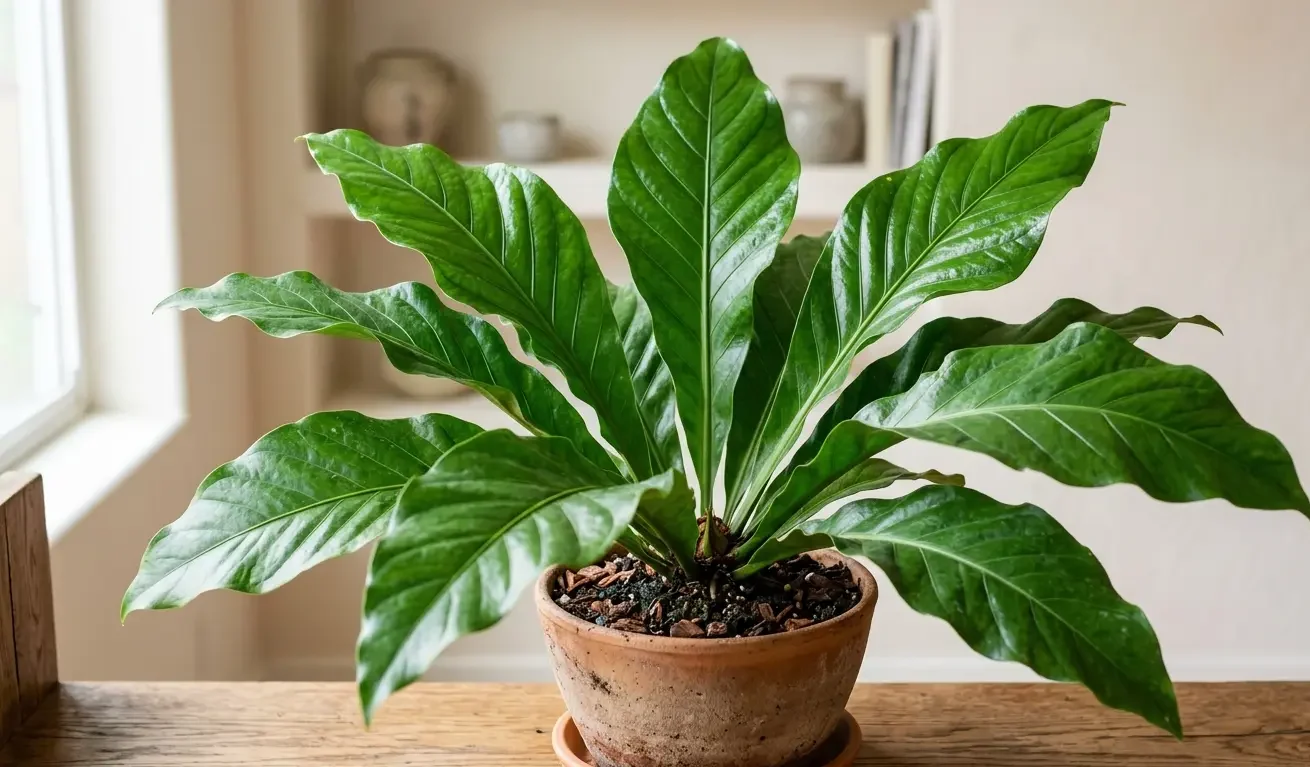
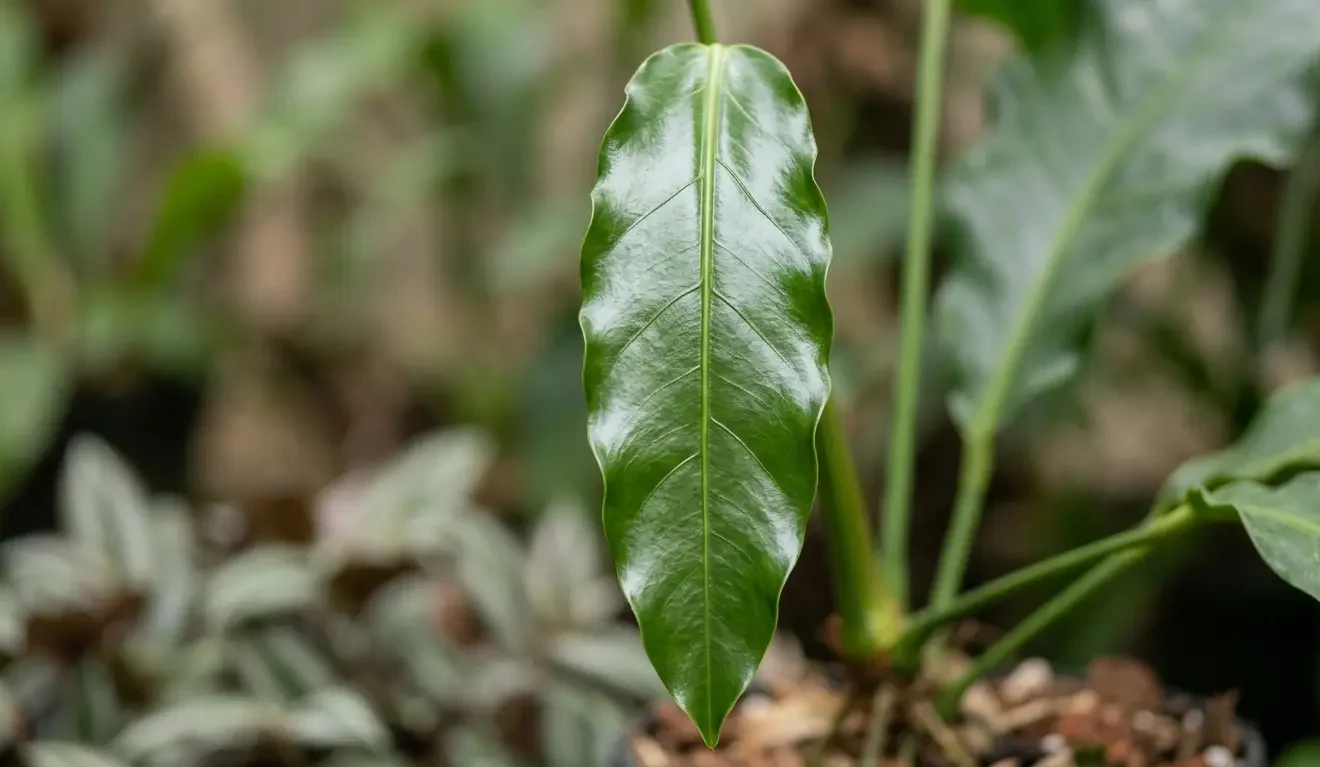
If your idea of an anthurium is a small velvet leaf with white veins, Anthurium hookeri will surprise you. This is the Bird’s Nest Anthurium, a big, lush, tropical species grown for broad, glossy, strap-like leaves that fan out from a central rosette like a bird’s nest.
It is also one of the more forgiving anthuriums, which makes it a great choice if you want bold foliage without the fuss of the velvet collector types. This guide covers everything you need to grow a happy, healthy hookeri.
Quick care summary
Anthurium hookeri wants bright indirect light (no direct sun), warmth of 65 to 85°F, and humidity around 60 percent or more. Water when the top one to two inches of soil dry, in a chunky, airy mix, and never let it sit soggy. It grows large and is toxic to pets.
This is a variety guide. For the full picture across the genus, see my Anthurium care guide and my roundup of the best Anthurium varieties.
What is Anthurium hookeri?
Anthurium hookeri, commonly called the Bird’s Nest Anthurium, is a tropical species native to the rainforests of Central and South America. Unlike the small velvet-leaved anthuriums, it is grown for its large, broad, glossy, leathery green leaves.
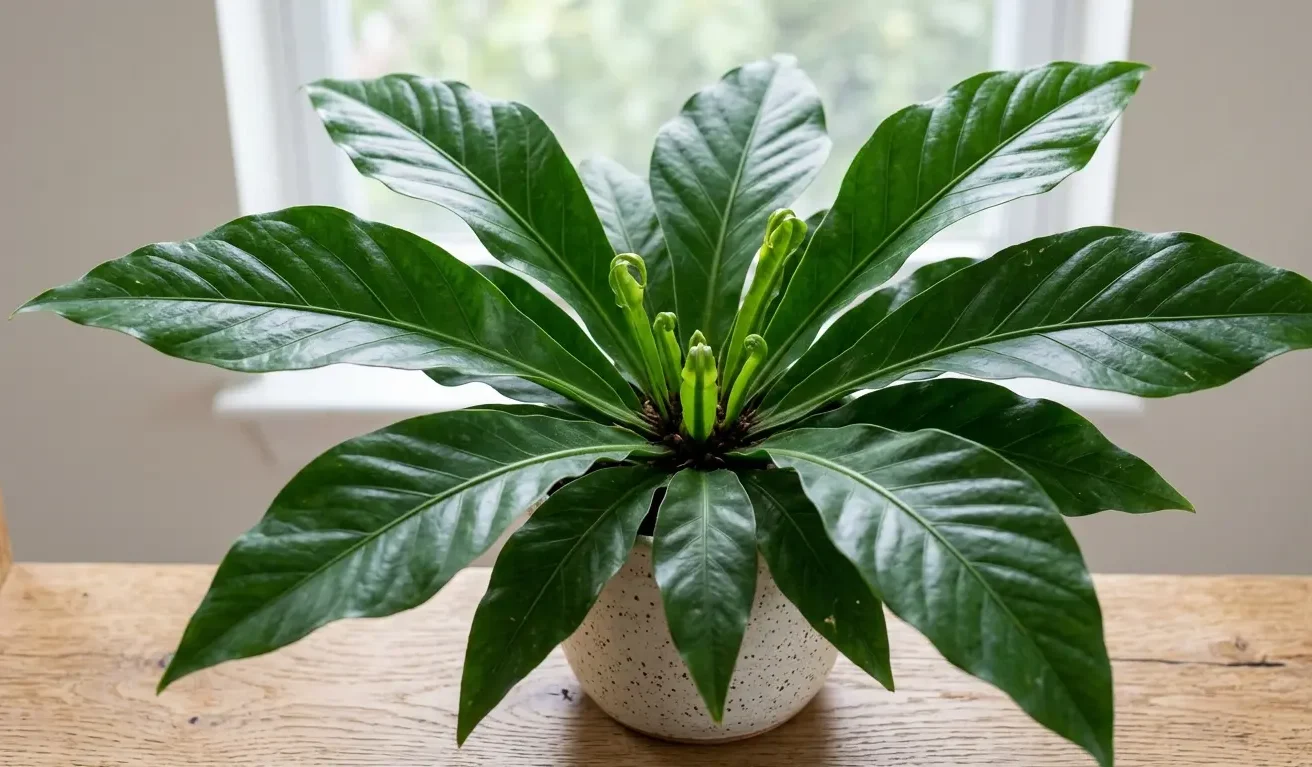
Those leaves grow in a circular rosette, with new ones emerging from the center, which is what gives it the bird’s-nest look and name. Mature plants are big, reaching 2 to 3 feet tall and wide, spreading dramatically outward.
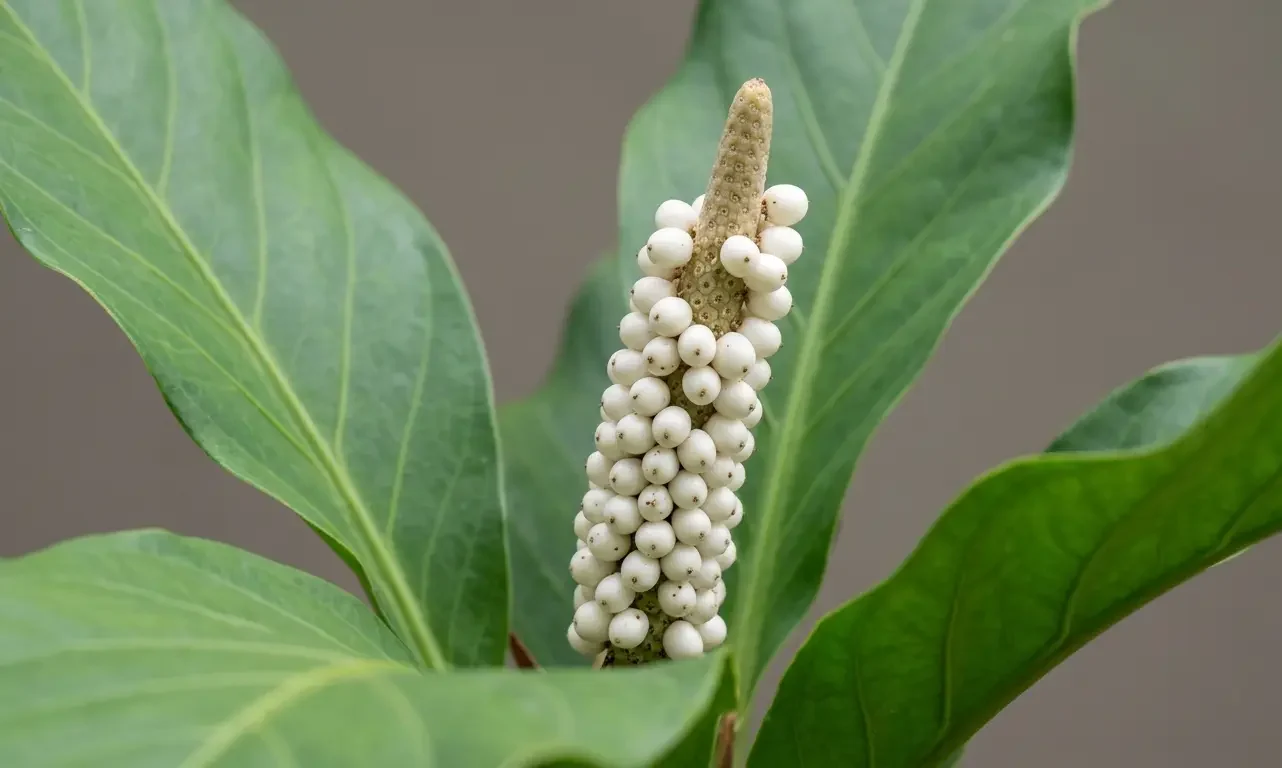
It is an epiphyte in the wild, growing on other plants rather than in soil, which shapes how you pot it. It is grown for foliage, not flowers, though it may produce small greenish spathes and, on true species, white berries.
Anthurium hookeri quick-care table
| Need | What it wants |
|---|---|
| Light | Bright, indirect; no direct sun |
| Water | When top 1 to 2 inches dry; never soggy |
| Humidity | High, around 60% or more |
| Temperature | Warm, 65 to 85°F (18 to 29°C) |
| Soil | Chunky, airy, well-draining epiphyte mix |
| Size | Large, 2 to 3 feet tall and wide |
| Toxicity | Toxic to pets and people |
Light
Anthurium hookeri thrives in bright, indirect light, much like the dappled light it gets beneath the rainforest canopy. Good light keeps the leaves large, vibrant, and full.
Keep it out of direct sun. The broad, leathery leaves can scorch or fade to a washed-out pale green in harsh direct light. A bright window with filtered light, or a spot just back from one, is ideal.
It will tolerate lower light, but expect slower growth, smaller leaves, and a leggier, less vibrant plant. For the lush, full rosette this plant is grown for, give it plenty of bright indirect light.
Watering
Water when the top one to two inches of soil feel dry. In the growing season this is often about once a week, and noticeably less in winter when growth slows. Let that top layer dry before watering again.
The cardinal rule is never let it sit in water. Like all anthuriums, hookeri is prone to root rot if kept soggy, so use a pot with drainage and always tip out any water that collects in the saucer or cache pot.
It does like consistent moisture, though, so do not let it bone-dry out completely either. Steady, light moisture, never waterlogged and never parched, keeps it happiest.
Soil
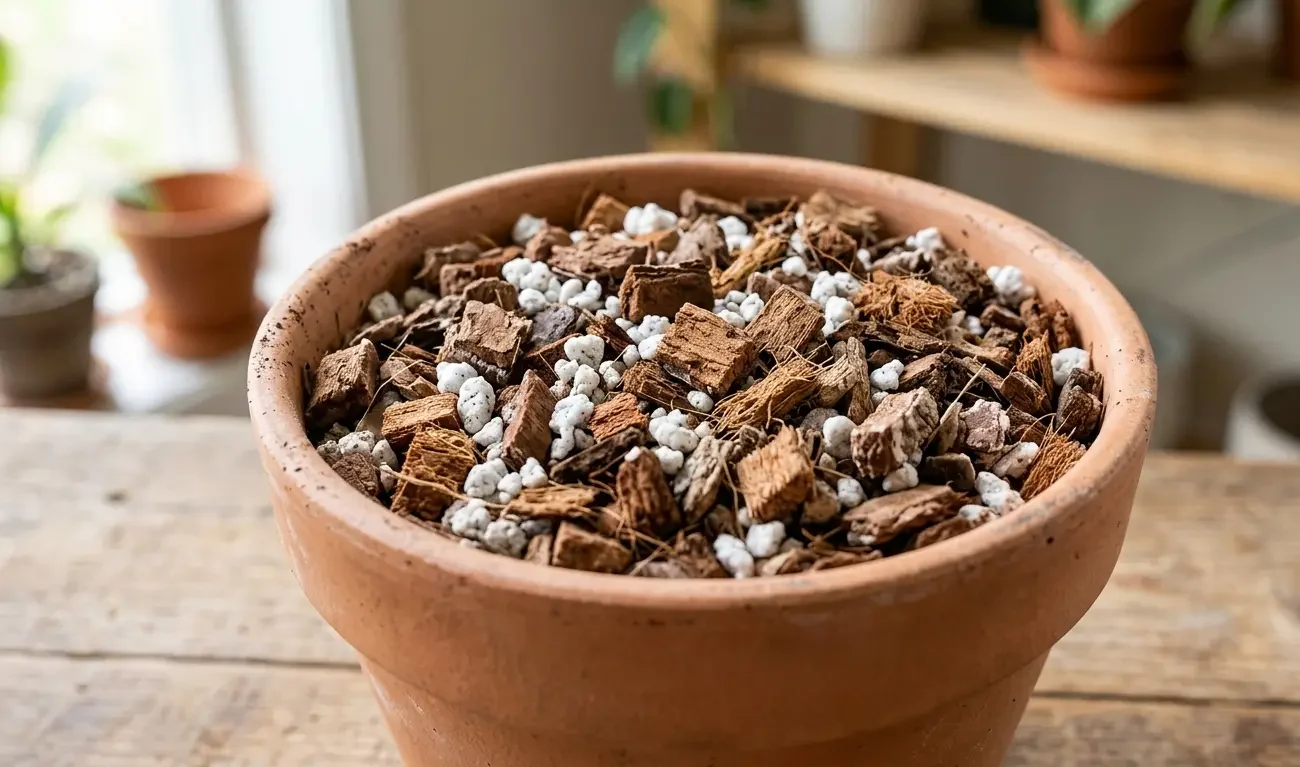
Because hookeri is an epiphyte, it wants a chunky, airy, fast-draining mix rather than dense potting soil. Its roots need air, and good drainage is the best defense against root rot.
A standard aroid or epiphyte mix works well: orchid bark and perlite for structure, with some coco coir or sphagnum moss to hold light moisture, and optionally a little charcoal. The goal is a mix that drains freely but stays lightly moist.
Always use a pot with drainage holes, and give it room, this plant grows wide, so it appreciates space for its roots and spreading leaves.
Humidity
As a tropical rainforest plant, hookeri likes humidity, ideally around 60 percent or higher. In dry air, especially in winter with the heating on, the leaf edges can brown and curl.
Raise humidity with a humidifier, a pebble tray, or by grouping it with other plants. A naturally humid room like a bright bathroom can also suit it well. Good airflow alongside the humidity helps prevent fungal issues.
One honest note: rather than soaking the leaves with heavy misting, raise the ambient humidity of the air. Water that lingers on the broad leaves can encourage fungal problems, so a humidifier and airflow beat a spray bottle here.
Temperature and feeding
Keep hookeri warm, ideally 65 to 85°F (18 to 29°C), and protect it from cold drafts, AC vents, and heating vents, all of which can damage the leaves. It is not frost-hardy, so keep it indoors in cool climates.
Feed during the growing season, roughly monthly with a balanced fertilizer (some growers favor a higher-phosphorus feed for lush leaves), tapering off in fall and winter. Mature plants need feeding less often, every few months is plenty. Go easy, as over-fertilizing can harm the roots.
Growth, size, and repotting
Give this plant space. Its rosette of broad leaves spreads outward as it matures, reaching 2 to 3 feet across, so it makes a bold, leafy statement and needs room to do it.
Repot every couple of years or when it outgrows its pot, refreshing the mix and moving up a size. Repotting time is also the easiest time to propagate, by dividing offsets from the base, each with roots and a growth point. Wipe the big leaves occasionally to keep them dust-free and photosynthesizing well.
True species or hybrid?
Here is a useful bit of insider knowledge: many plants sold as Anthurium hookeri are actually hybrids rather than the true species.
A practical way to check is the berries, a true hookeri produces white berries, while hybrids often differ. The leaf undersides also carry tiny dark glandular dots, a characteristic species trait. That said, the care is essentially the same either way, so a hybrid is no less rewarding to grow.
Common problems
Most hookeri issues trace back to watering, humidity, or light.
Browning or curling leaf edges usually mean low humidity or erratic watering, so steady the moisture and raise humidity. Yellowing leaves often signal overwatering and the onset of root rot, so check the roots and let the soil dry more. Slow growth or a leggy, faded plant usually means too little light.
Like other anthuriums, it can attract spider mites, mealybugs, or scale, so check the leaves, especially the undersides, now and then and treat early with insecticidal soap or neem oil if needed.
Is Anthurium hookeri worth it?
If you want a big, lush, glossy tropical foliage plant that is more forgiving than the velvet anthuriums, hookeri is a great pick. It rewards basic good care with a dramatic, spreading rosette, and it is far less temperamental than its collector cousins.
Just give it room to spread, keep it out of direct sun, water it carefully, and remember it is toxic to pets and people if chewed, so place it out of reach.
Do you grow Anthurium hookeri, or are you considering one for a bold, leafy corner? Tell me about your setup in the comments, and see my Anthurium care guide for the genus-wide basics.
Frequently asked questions
Is Anthurium hookeri easy to care for?
Yes, relatively. Compared to the fussy velvet anthuriums, the Bird’s Nest Anthurium is one of the easier ones, rated easy to moderate. Give it bright indirect light, a chunky well-draining mix, steady moisture without sogginess, warmth, and decent humidity, and it is quite forgiving.
How big does Anthurium hookeri get?
Quite large. Mature plants can reach 2 to 3 feet tall and wide, with broad strap-like leaves spreading outward from a central rosette. Give it plenty of room, as it grows out as much as up and makes a dramatic, leafy statement.
Why are my Anthurium hookeri leaves browning?
Usually low humidity or inconsistent watering. Dry air browns and curls the leaf edges, while letting the soil swing from bone dry to soggy stresses the plant. Aim for steady moisture and 60 percent or higher humidity, raised with a humidifier rather than heavy misting.
How often should I water Anthurium hookeri?
Water when the top one to two inches of soil are dry, often about weekly in the growing season and less in winter. It likes consistent moisture but hates sitting in water, so always empty the saucer and use a well-draining mix to avoid root rot.
Is my Anthurium hookeri a true species or a hybrid?
Many plants sold as A. hookeri are actually hybrids. A practical check is the berries: a true species produces white berries. The leaf undersides also carry tiny dark glandular dots, a characteristic hookeri trait. Either way, the care is the same.
Is Anthurium hookeri toxic to pets?
Yes. Like all anthuriums, it contains calcium oxalate crystals and is toxic to cats, dogs, and people if chewed. Keep it out of reach of pets and children.
