

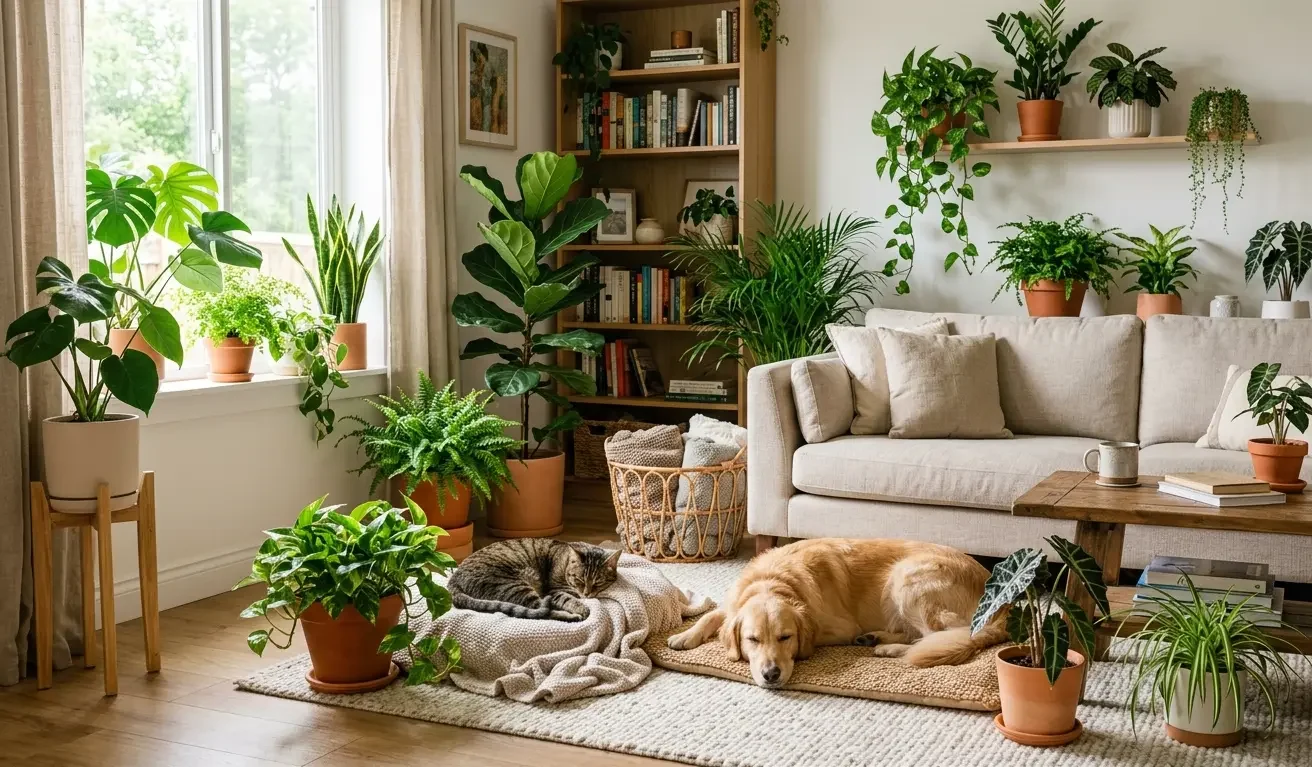
If you share your home with a cat or dog who likes to nibble, choosing houseplants can feel stressful. The good news is that you do not have to choose between a green home and a safe pet. Plenty of beautiful, easy houseplants are non-toxic to cats and dogs.
Every plant on this list is listed by the ASPCA as non-toxic to both cats and dogs. I have noted the care level for each, and at the end I have included an honest safety section, because “pet-safe” has an important nuance worth understanding before you shop.
Short answer
For a worry-free pet home, the safest, easiest picks are the spider plant, Calathea or prayer plant, Boston fern, parlor palm, Hoya, and Peperomia, all ASPCA non-toxic to cats and dogs. Avoid the common toxic ones: pothos, philodendron, monstera, peace lily, and especially lilies, which are deadly to cats.
A quick but important note: “non-toxic” means a plant will not poison your pet, not that it is safe to eat freely. More on that in the safety section below. Now, the best pet-safe plants.
The 12 best pet-safe houseplants
1. Spider Plant (Chlorophytum comosum)
Quick take: The classic pet-safe plant, tough, adaptable, and non-toxic.
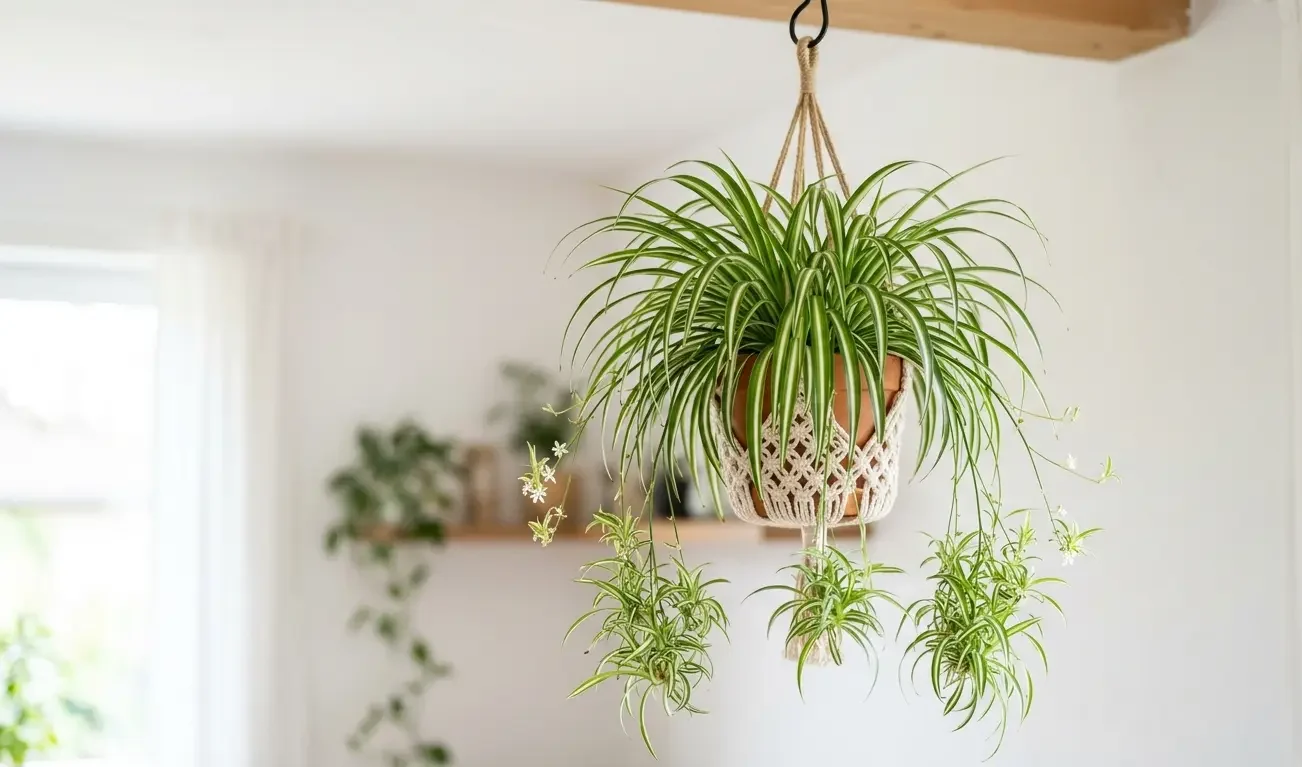
The spider plant is the go-to pet-safe houseplant for good reason: the ASPCA lists it as non-toxic to cats and dogs, and it is nearly impossible to kill. Its arching, striped leaves look great in a hanging basket, and it sends out baby “pups” you can pot up.
One honest quirk: cats are often drawn to spider plants and may chew the dangling leaves, which can cause vomiting if eaten in excess, but there is no real toxicity. Hanging it up keeps the peace.
2. Calathea and Prayer Plant (Maranta)
Quick take: Bold, patterned foliage with zero toxicity worries.
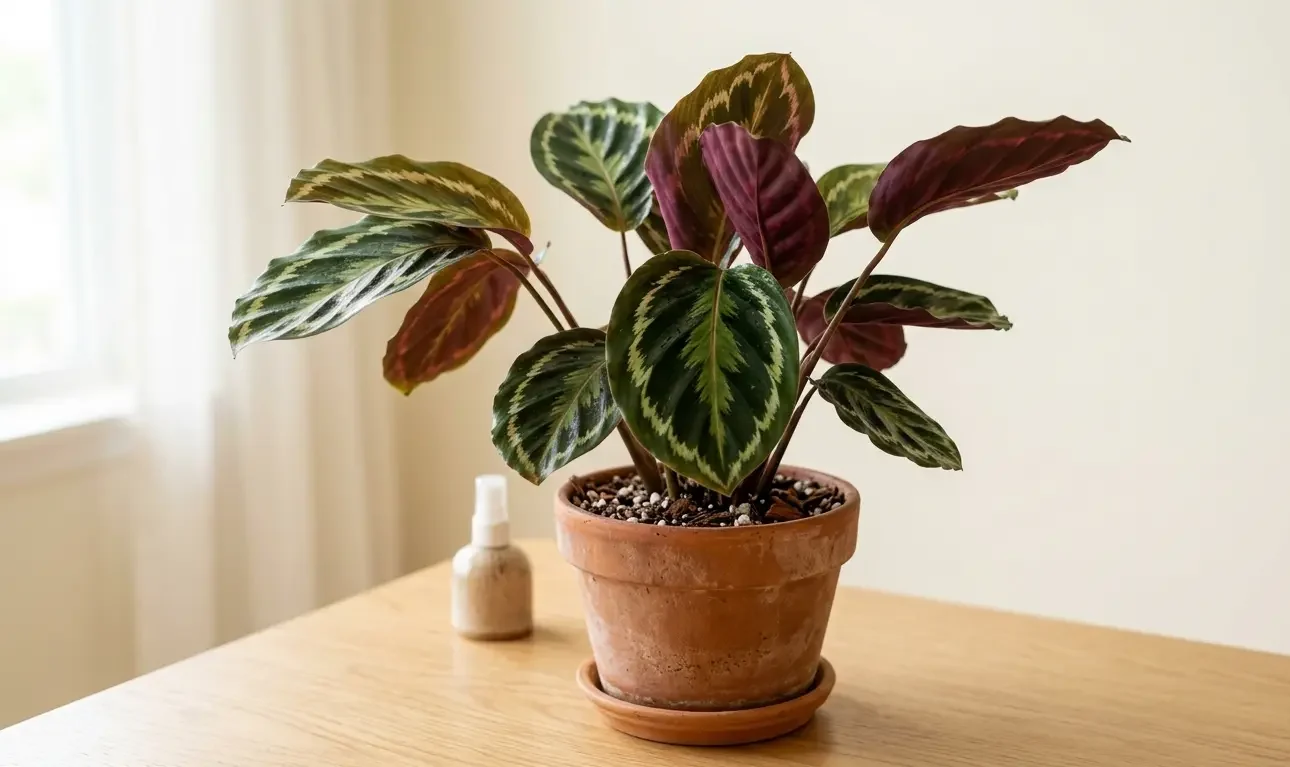
If you want dramatic leaves without the risk, the Calathea and prayer plant family is the answer. Varieties like the rattlesnake plant and orbifolia bring deep greens, purples, and cream markings, and the whole group is non-toxic to cats and dogs.
They prefer medium, indirect light and consistent moisture and humidity, so they suit a bathroom or kitchen well.
3. Hoya (Wax Plant)
Quick take: Waxy leaves, fragrant flowers, and completely pet-safe.
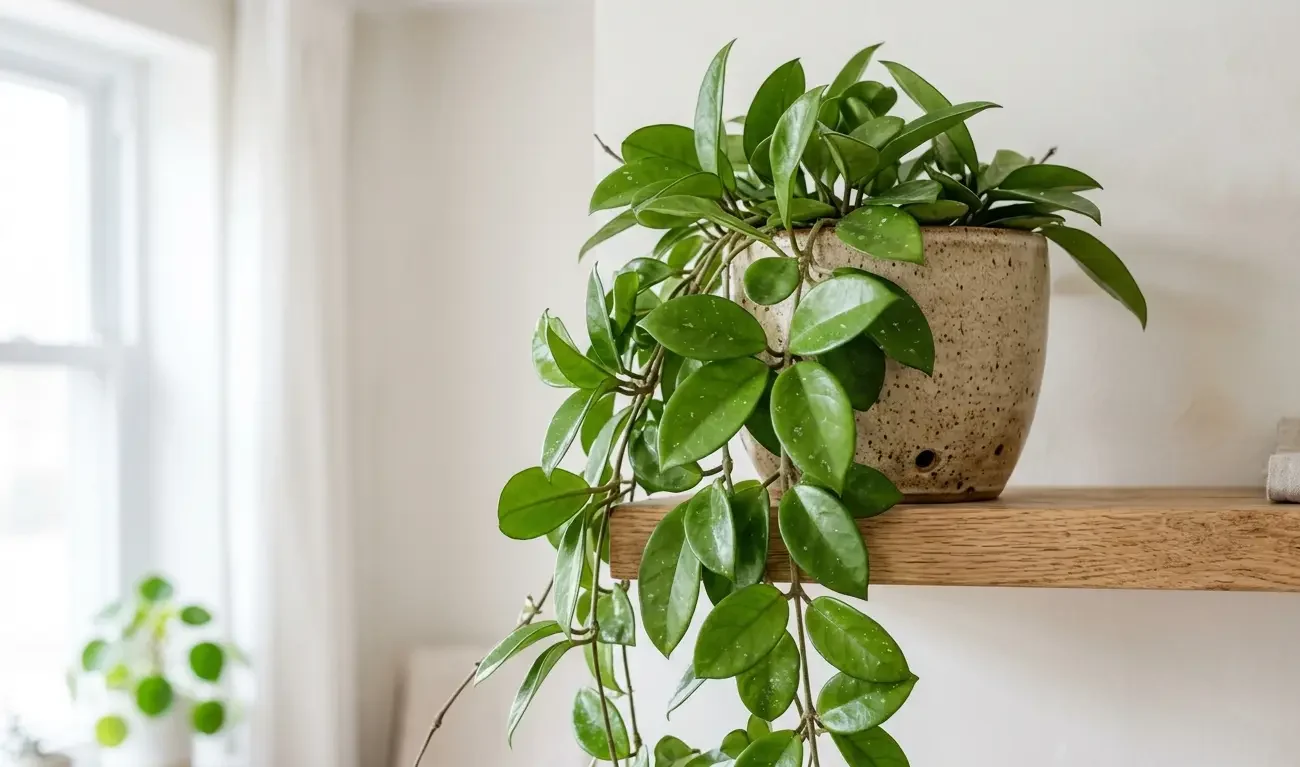
Hoyas are a favorite for pet homes because they combine beauty with safety: Hoya carnosa and its relatives, including the popular Hindu rope, are non-toxic to cats and dogs. The thick, waxy leaves and clusters of sweet-scented flowers are a bonus.
They like bright, indirect light and prefer to dry out between waterings. Their trailing habit suits a shelf or hanging basket. For more, see my Hoya care guide.
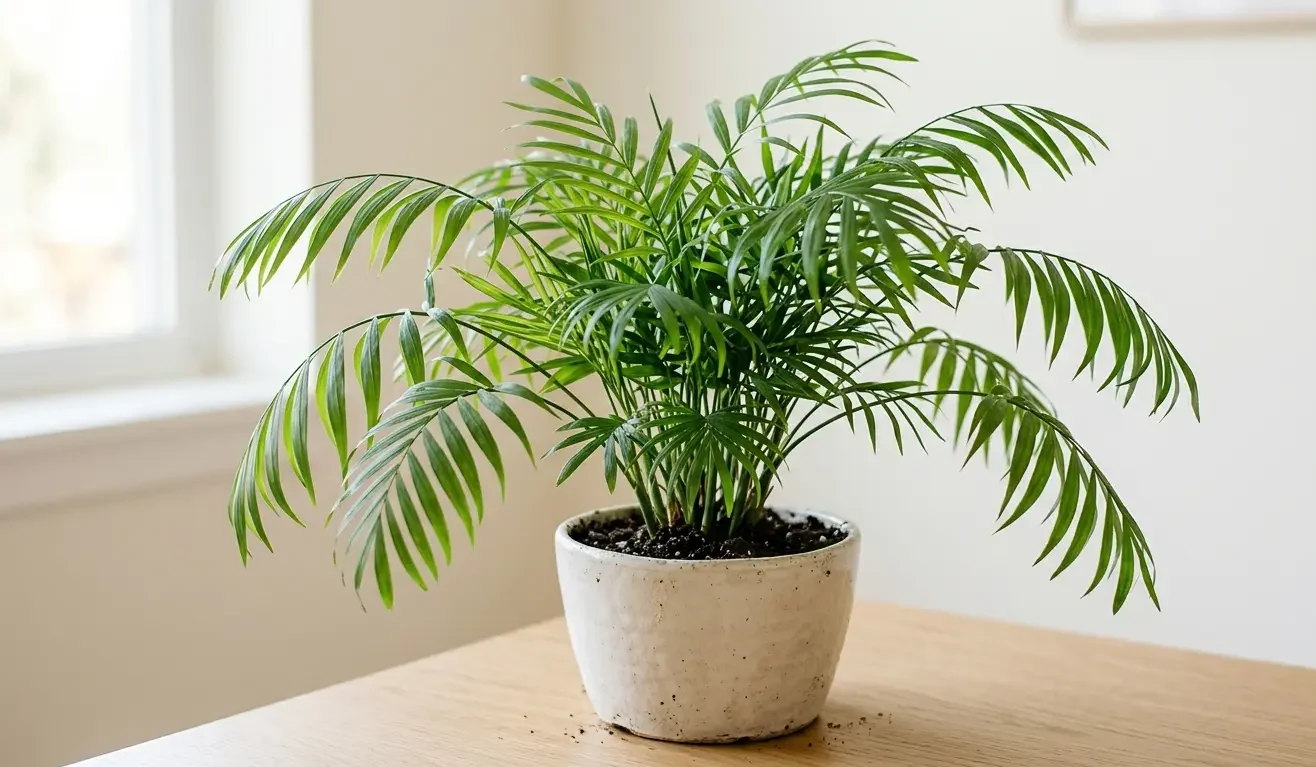
4. Parlor Palm (Chamaedorea elegans)
Quick take: An elegant, pet-safe way to add height and a tropical feel.
The parlor palm is one of the best pet-safe plants for bringing height and a lush, tropical look to a room. It is non-toxic to cats and dogs, and tolerates lower light than most palms, making it adaptable to many homes.
It is slow-growing and easygoing, wanting only indirect light and watering when the top of the soil dries. Other true palms like the areca and majesty palm are also pet-safe.
5. Boston Fern (Nephrolepis exaltata)
Quick take: A lush, classic fern that is completely non-toxic.
The Boston fern is a timeless, pet-safe choice, with full, arching fronds that look beautiful spilling from a hanging basket or stand. The ASPCA lists it as non-toxic to cats and dogs.
It does want consistent moisture and good humidity, so it is happiest in a bathroom or a regularly misted spot. Give it bright, indirect light and it rewards you with lush, feathery growth.
6. Peperomia
Quick take: A huge, varied group of compact, easy, pet-safe plants.
Peperomias are a pet owner’s dream: a large family of small, attractive, non-toxic plants in countless leaf shapes and textures, from the rippled emerald ripple to the trailing string of turtles. All are safe for cats and dogs.
They are easygoing, wanting bright indirect light and a careful hand with water, since their slightly succulent leaves store moisture.
7. Pilea (Chinese Money Plant)
Quick take: A stylish, modern, pet-safe plant with round coin-like leaves.
The Pilea peperomioides, or Chinese money plant, is a hugely popular pet-safe choice, with round, coin-shaped leaves on slender stems that give it a clean, modern look. It is non-toxic to cats and dogs.
It likes bright, indirect light and watering when the top inch of soil dries, and readily produces baby plants you can share. The related friendship plant (Pilea involucrata) is also pet-safe.
8. Cast Iron Plant (Aspidistra elatior)
Quick take: Nearly indestructible, low-light tolerant, and pet-safe.
The cast iron plant lives up to its name, tolerating low light, irregular watering, and general neglect better than almost any plant, and it is non-toxic to cats and dogs. Its strap-like, deep-green leaves are handsome and tough.
It is the reliable, pet-safe answer for dark hallways and north-facing rooms where other plants struggle. Slow-growing and forgiving, it asks very little of you.
9. African Violet (Saintpaulia)
Quick take: A compact bloomer that adds color and is pet-safe.
For flowers in a pet home, the African violet is a lovely, non-toxic choice, with velvety leaves and clusters of purple, pink, or white blooms that can flower much of the year. The ASPCA lists it as safe for cats and dogs.
It stays small, perfect for a windowsill, and wants bright, indirect light and careful watering from below to keep the leaves dry. A cheerful, safe splash of color.
10. Nerve Plant (Fittonia)
Quick take: Striking veined leaves on a compact, pet-safe plant.
The nerve plant, or Fittonia, is a small, eye-catching, non-toxic plant with deep-green leaves laced in bright pink, red, or white veins. It stays compact, making it ideal for terrariums, desks, and small shelves.
It loves humidity and dramatically wilts when thirsty, then perks back up after watering, a handy built-in reminder. Give it bright, indirect light and steady moisture.
11. Christmas Cactus (Schlumbergera)
Quick take: A long-lived, pet-safe succulent that blooms in winter.
The Christmas cactus is a wonderful pet-safe plant, a forest cactus (no spines) that produces vivid pink, red, or white flowers around the holidays, and the ASPCA lists it as non-toxic to cats and dogs.
It is easy and long-lived, often passed down for generations, wanting bright indirect light and a drink when the top of the soil dries. A festive, safe choice that rewards you with seasonal color.
12. Bird’s Nest Fern (Asplenium nidus)
Quick take: A sculptural, ripple-leaved fern that is non-toxic and easygoing.
The bird’s nest fern is a more forgiving fern than most, with broad, ripply, bright-green fronds that radiate from a central “nest.” It is non-toxic to cats and dogs, and easier than the moisture-fussy Boston fern.
It likes medium, indirect light and consistent moisture with good humidity, but tolerates a bit more neglect. Its bold, glossy fronds make a lush, safe statement.
The honest truth about “pet-safe” plants
This is the part every pet owner should read, because “pet-safe” has an important nuance.
Non-toxic means a plant will not poison your pet, not that it is safe to eat. Even a non-toxic plant can cause vomiting or mild stomach upset if a pet eats a large amount, simply from the plant material. The goal of this list is no poisoning risk, not a salad bar.
A few other honest points. The soil, fertilizer, and any pesticides on a plant can harm a pet even when the plant itself is safe, so use pet-safe, fragrance-free soil and never use products like permethrin or systemic insecticides around cats.
And trailing plants, even safe ones, are best kept up high so dangling leaves do not tempt a chewer.
Toxic plants to avoid in a pet home
Just as important as knowing the safe plants is knowing the common toxic ones to keep out of reach or skip entirely.
Several of the most popular houseplants are toxic to pets, including pothos, philodendron, monstera, peace lily, and anthurium, all of which contain calcium oxalate crystals that irritate the mouth and digestive tract. ZZ plants, snake plants, and dieffenbachia are also toxic.
Most seriously, true lilies (Lilium and Hemerocallis) are extremely dangerous to cats, even tiny amounts can cause fatal kidney failure, so keep them out of any home with a cat. When in doubt about any plant, check the ASPCA’s toxic and non-toxic plant list before buying.
If your pet eats a toxic plant
Remove any plant material from their mouth if you can do so safely, and keep a sample to help identify it. Then call your vet, the ASPCA Animal Poison Control Center at 888-426-4435, or the Pet Poison Helpline at 855-764-7661 right away. Watch for drooling, vomiting, or lethargy.
Building a pet-safe plant collection
The reassuring takeaway is that you can absolutely have a lush, green home and a happy, safe pet. Start with the easiest safe picks, a spider plant, a Peperomia, a parlor palm, and build from there.
Even with non-toxic plants, a little prevention goes a long way: place plants where pets are less likely to dig or chew, hang trailing plants high, and give cats their own greenery, like cat grass, to nibble instead. With a thoughtful setup, plants and pets coexist beautifully.
Which pet-safe plant are you adding first, and do you have a cat or a dog to plan around? Tell me in the comments and I will help you choose.
Frequently asked questions
What houseplants are completely safe for cats and dogs?
ASPCA non-toxic favorites include the spider plant, Calathea and prayer plant, Boston fern, parlor palm, African violet, Hoya, Peperomia, Pilea, cast iron plant, and Christmas cactus. None of these are listed as toxic to cats or dogs, though any plant can cause mild stomach upset if a pet eats a lot.
Does pet-safe mean my pet can eat the plant?
No. Pet-safe means a plant is not toxic, not that it is food. Even non-toxic plants can cause vomiting or mild stomach upset if a pet eats a large amount, and soil, fertilizer, and pesticides can be harmful. The goal is no poisoning risk, not a snack.
Which common houseplants are toxic to pets?
Several popular ones are toxic, including pothos, philodendron, monstera, peace lily, and anthurium (all contain calcium oxalate). True lilies are extremely dangerous to cats and can cause kidney failure. Keep these out of reach or avoid them in pet homes.
Are spider plants safe for cats?
Yes, the ASPCA lists spider plants as non-toxic to cats and dogs. The catch is that cats are often drawn to them and may chew the dangling leaves, which can cause vomiting if eaten in excess, but there is no real toxicity. A hanging spot helps.
Is a Hoya safe for cats and dogs?
Yes. Hoya carnosa and its relatives, including the Hindu rope, are listed as non-toxic to cats and dogs, which is one reason they are such a popular pet-safe choice. They also offer waxy leaves and fragrant flowers.
What should I do if my pet eats a toxic plant?
Remove any plant material from their mouth if you safely can, keep a sample for identification, and call your vet, the ASPCA Animal Poison Control Center (888-426-4435), or the Pet Poison Helpline (855-764-7661) right away. Watch for drooling, vomiting, or lethargy.
